Modern Crochet Scarf Texture Ideas
A modern scarf gets its character from proportion, drape and one well-chosen texture—not from stacking every decorative stitch into the same rectangle. This guide compares texture families and explains how to keep edges, finishing and blocking polished.
Start with drape, dimensions and yarn usage
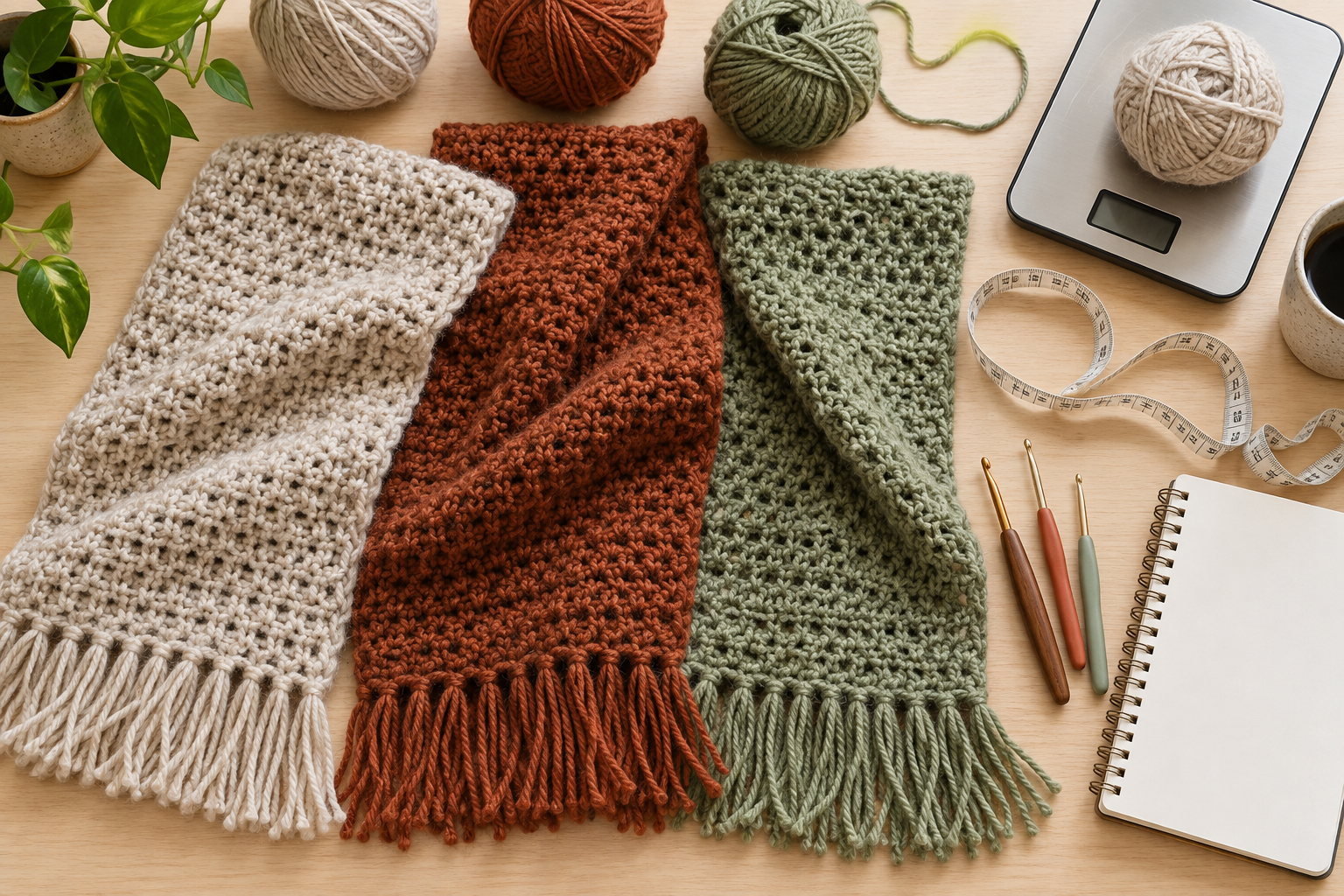
Decide whether the scarf should wrap once, layer loosely or form a closed loop. Crochet and wash a generous swatch, then hang it for several hours to see how gravity changes its length. Weigh the swatch and use its area to estimate yarn needs, adding a sensible allowance for edging, fringe and variations in tension.
Choose one texture family with the right behavior
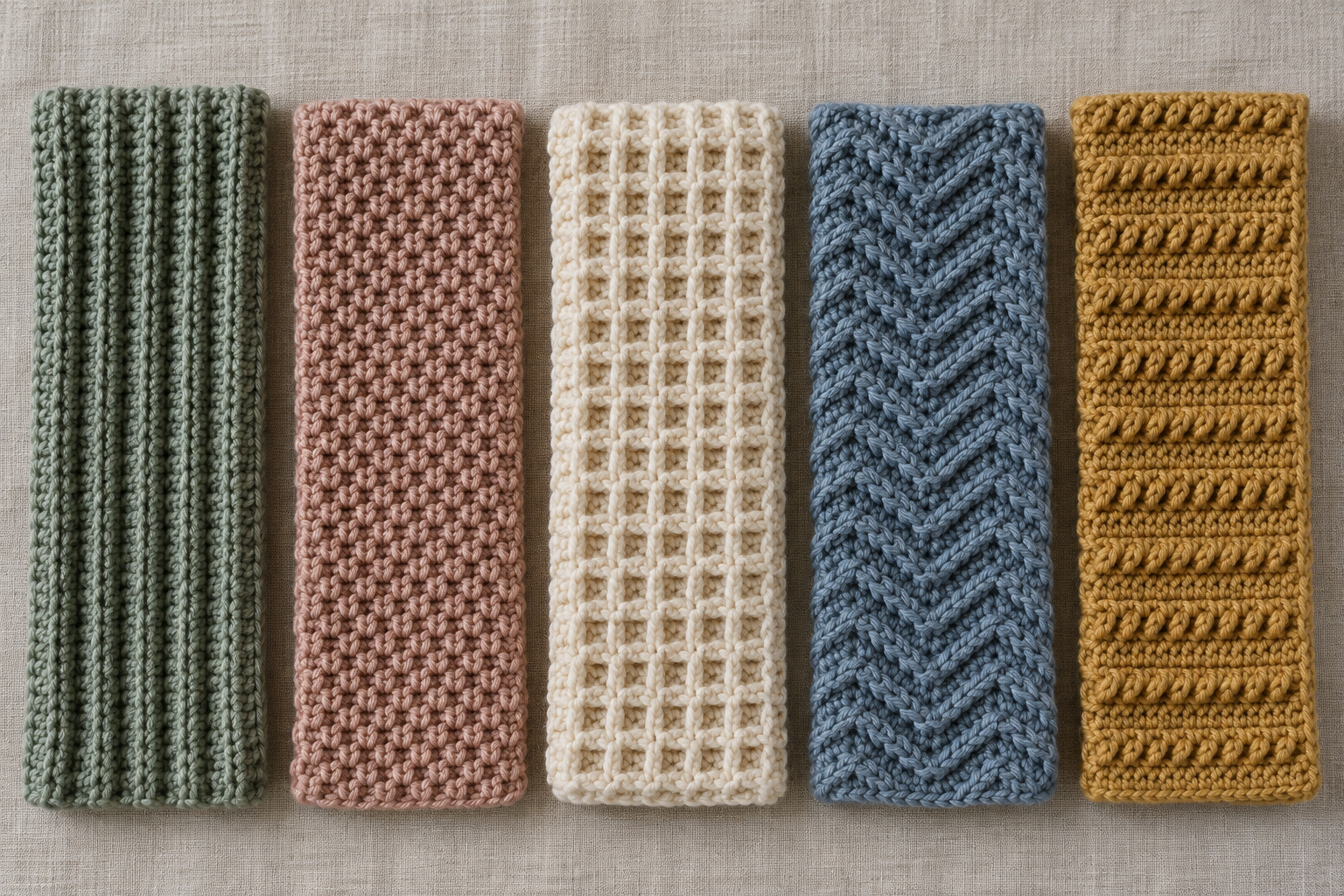
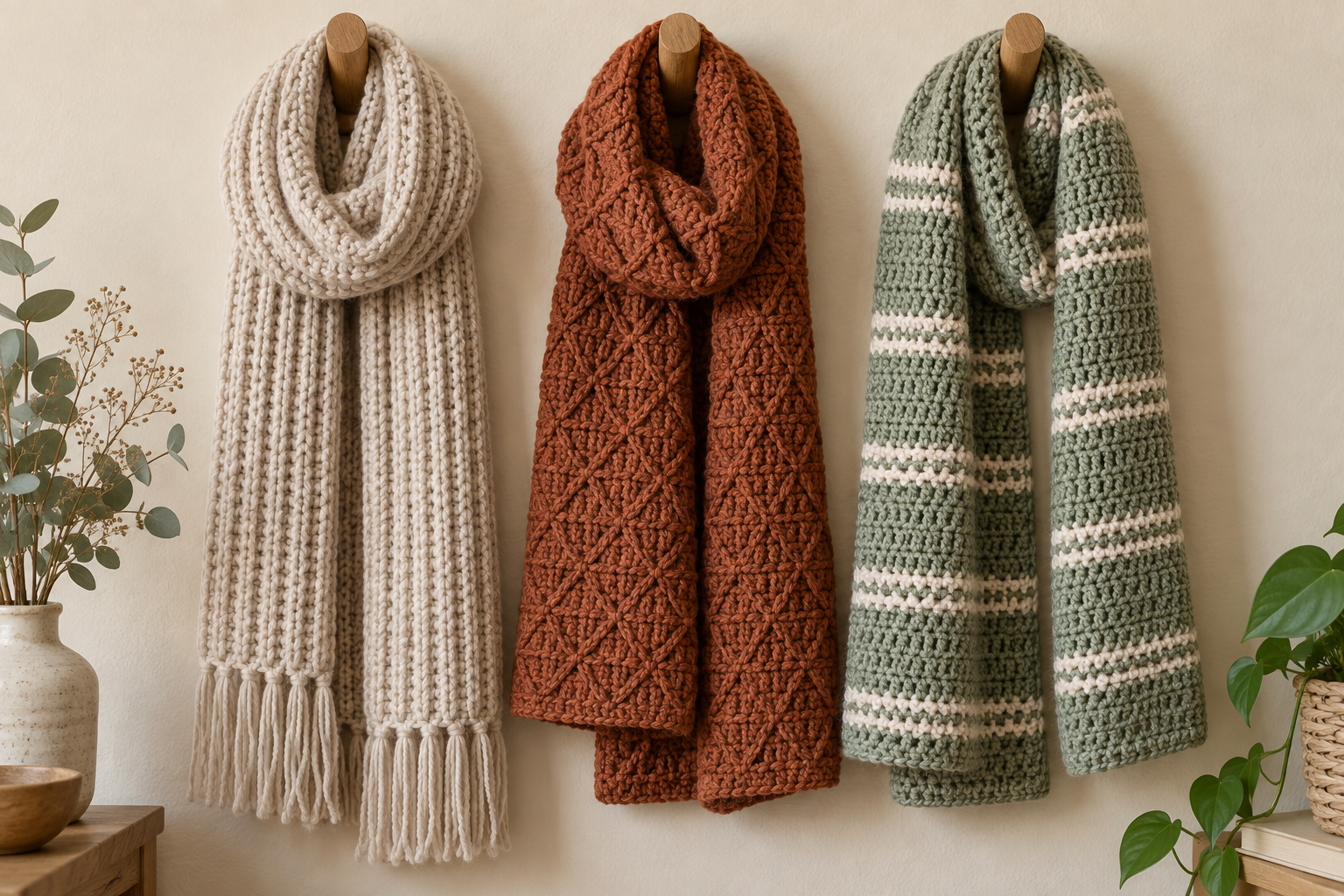
Ribbing creates stretch and strong vertical lines. Moss stitch lies flatter and is easy to wear. Waffle-like stitches are warm but yarn-hungry, while chevrons need careful edge shaping. Raised rows create subtle dimension with fewer deep recesses. For a reversible scarf, inspect the back of every swatch before deciding.
Control the sides from the first row
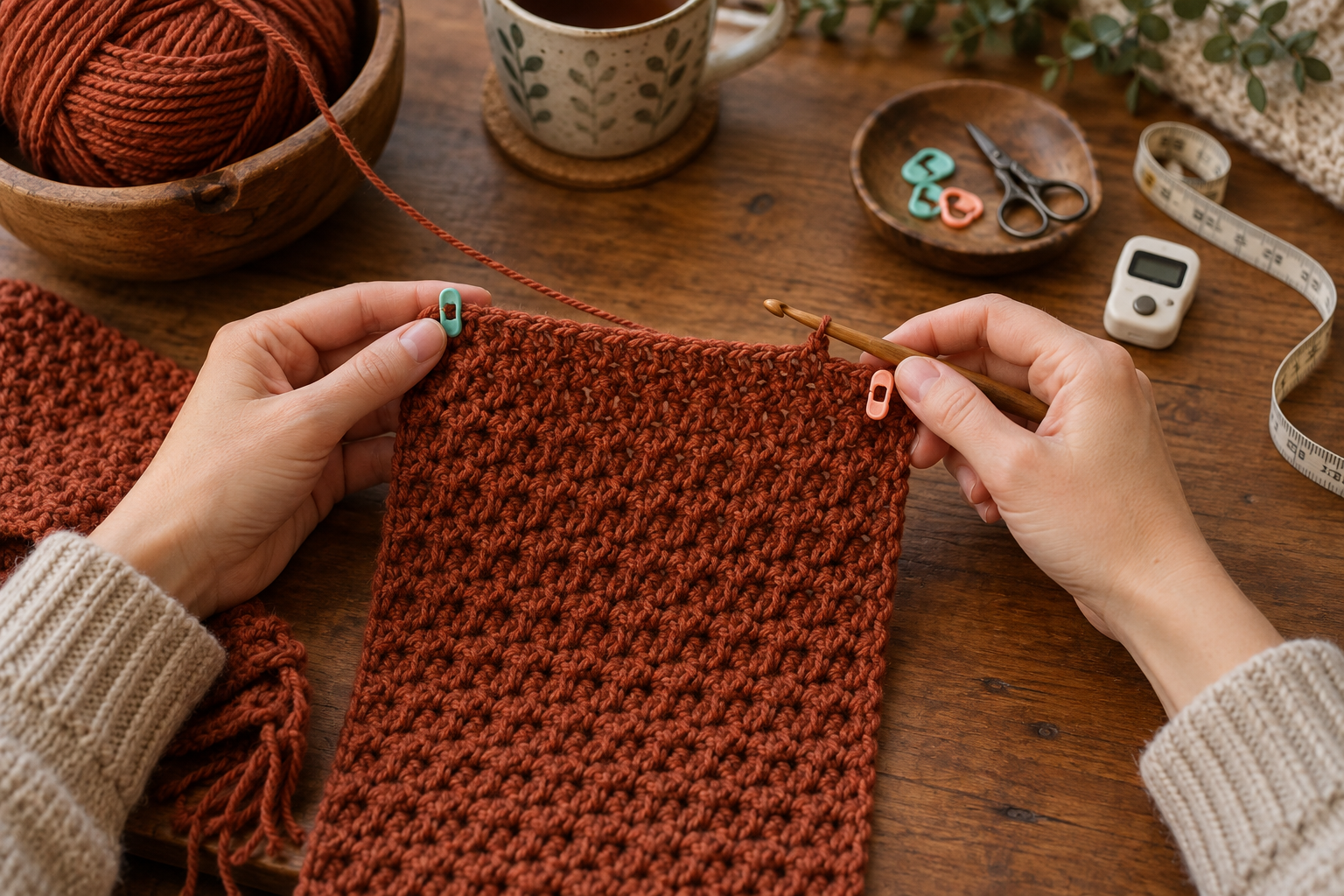
Count at regular intervals and measure width without stretching. Decide whether turning chains count as stitches and apply that rule consistently. If an edge begins narrowing or widening, undo to the first incorrect row; a border can neaten small variations but cannot correct major shaping errors.
Select a finish that supports the design
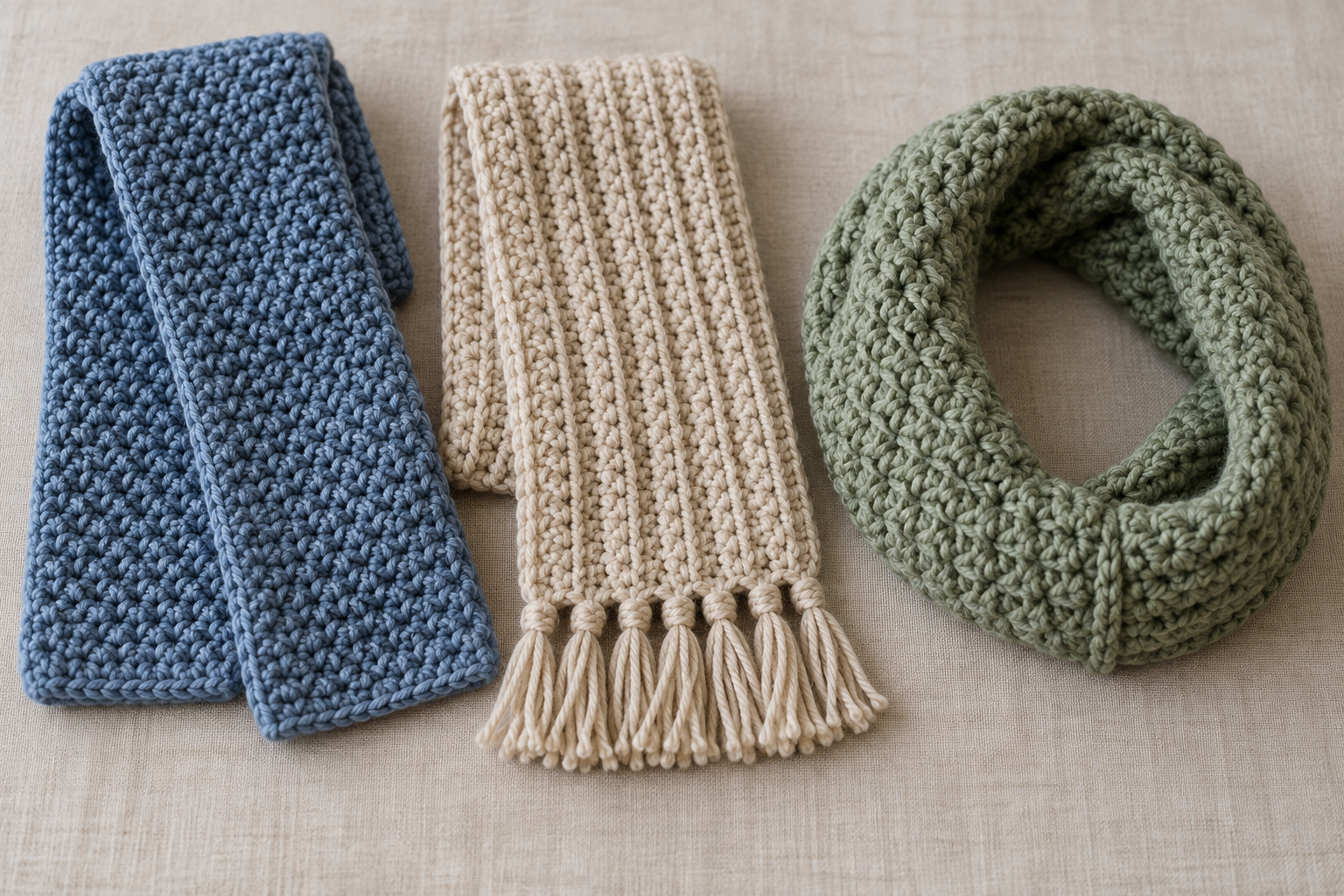
Use a simple edge when the stitch pattern already has strong detail. Cut fringe with a template and attach equal bundles, remembering that it changes finished length. For an infinity scarf, block first, align the ends without twisting and use a flexible seam that follows the texture.
Block for consistency, not forced size
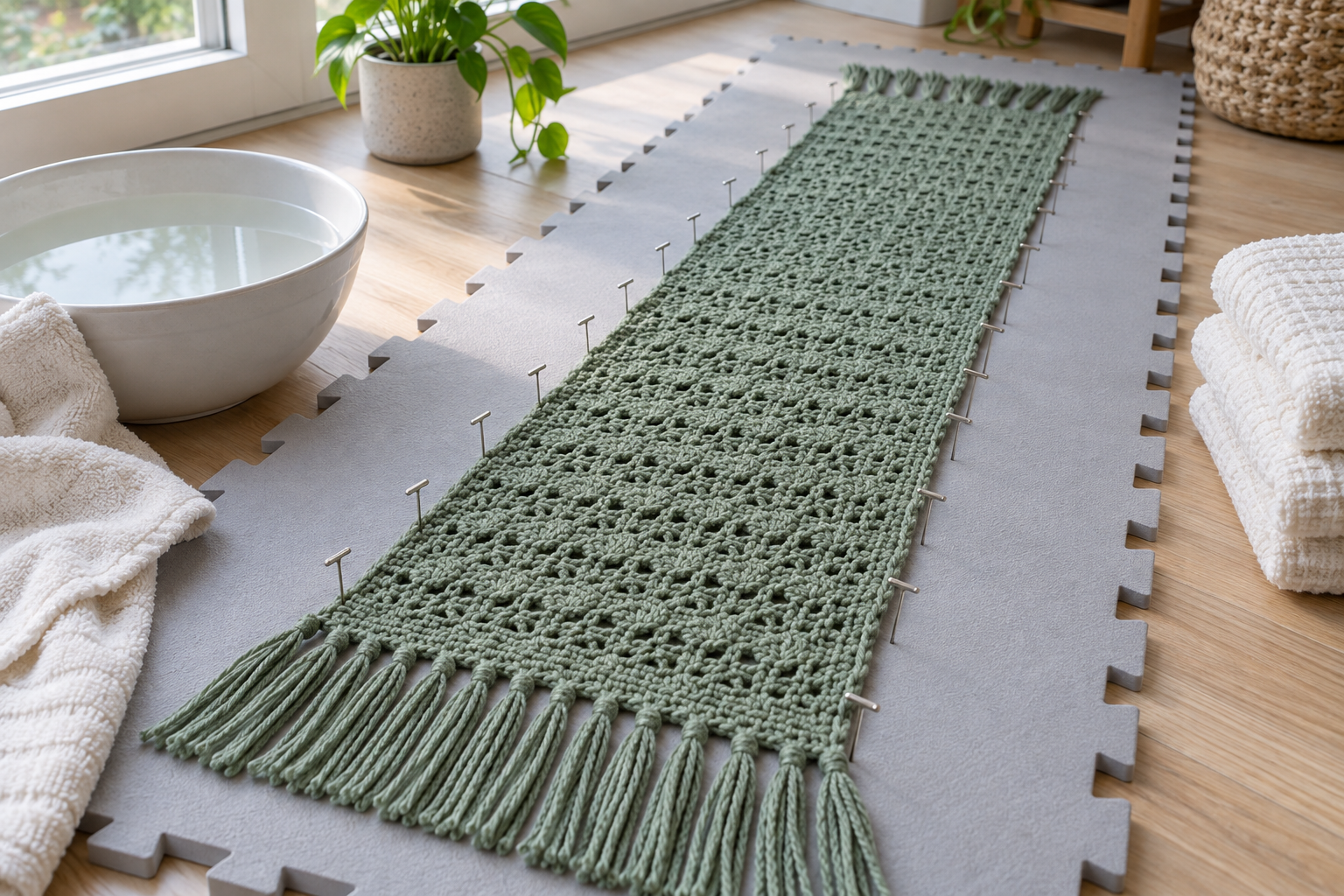
Follow the fiber’s care instructions, support the wet scarf and remove excess water with towels. Pin to the planned dimensions using rustproof tools. Allow it to dry completely before removing pins, then record the final size and care method for future washing.
Coordinate texture across accessories
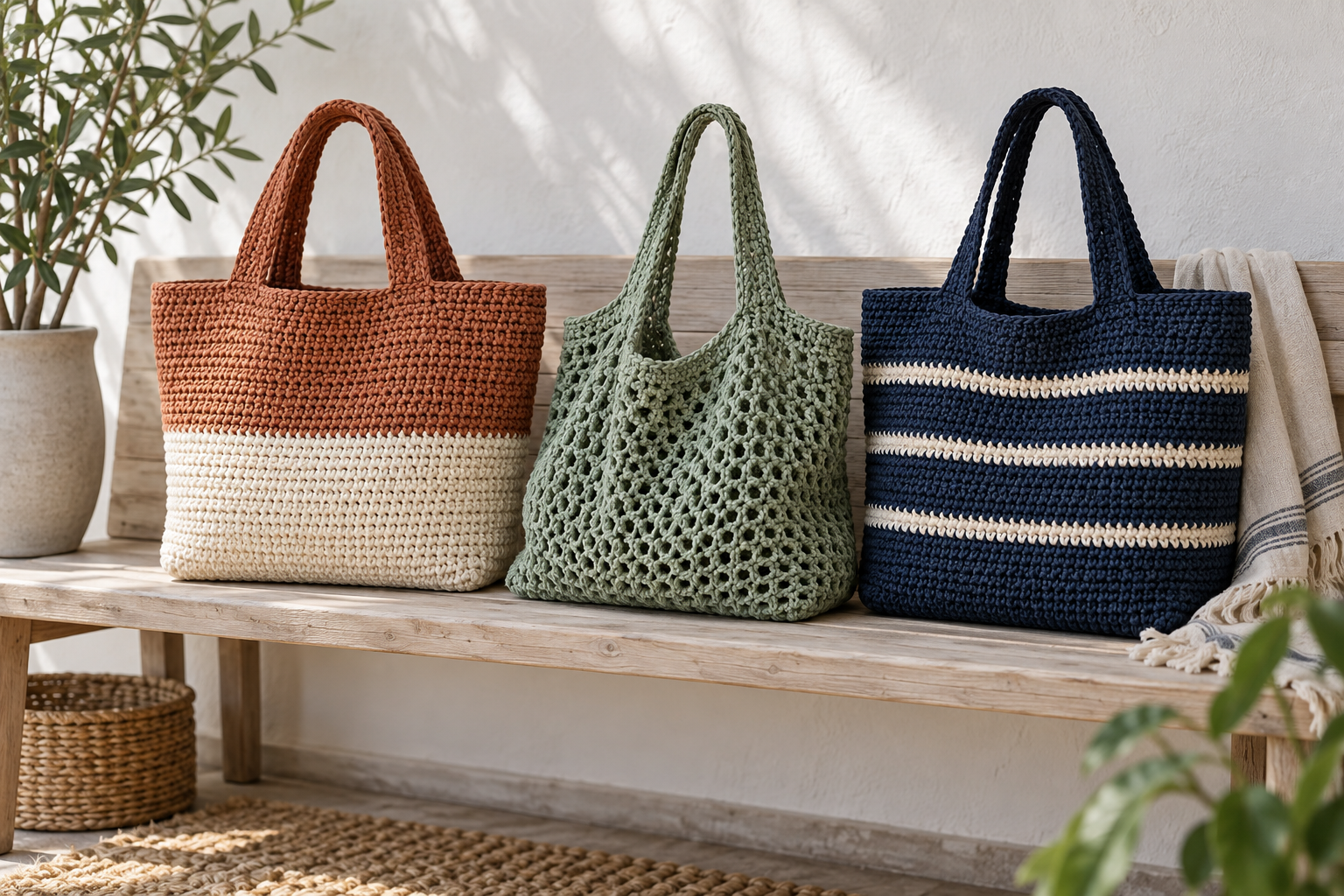
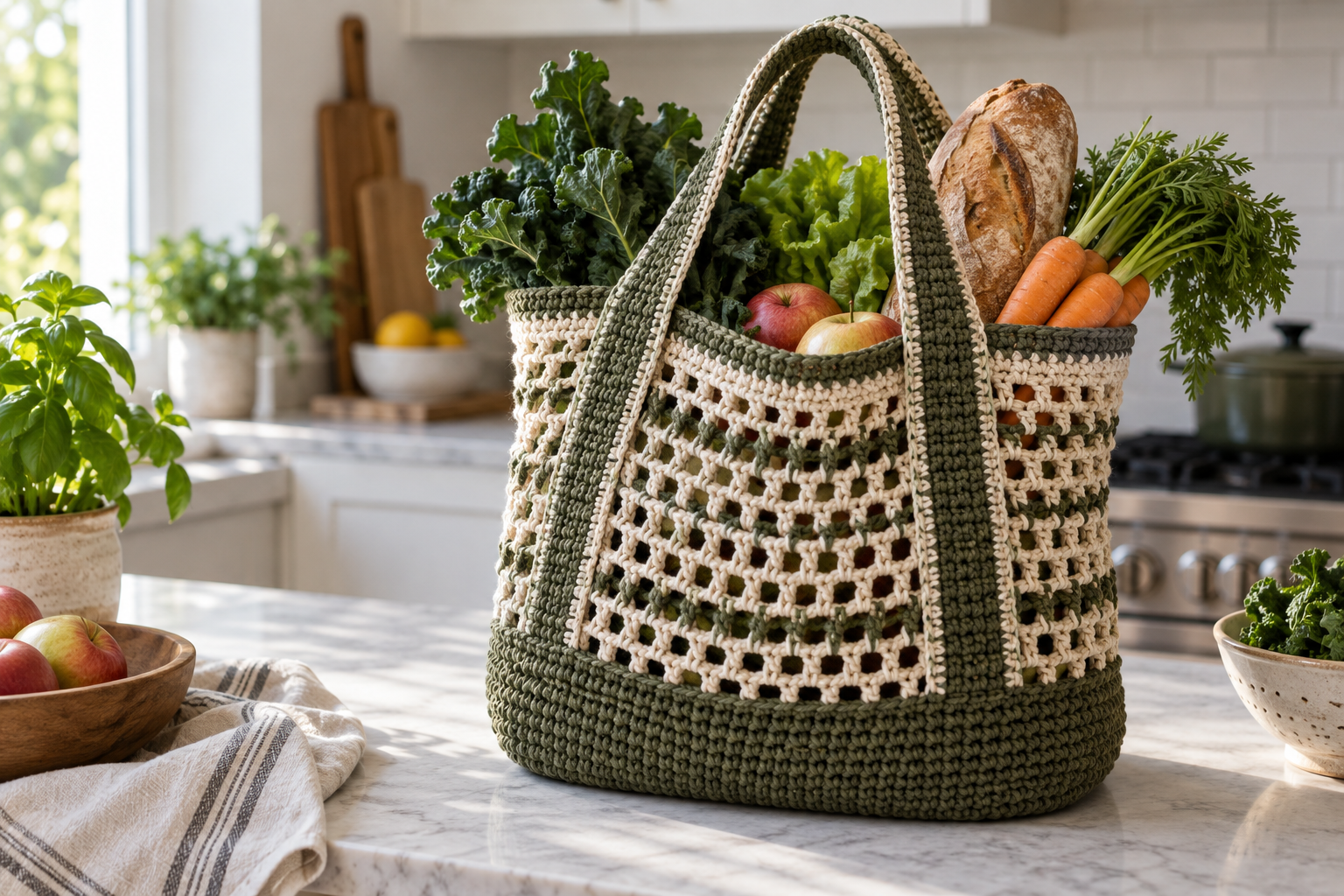
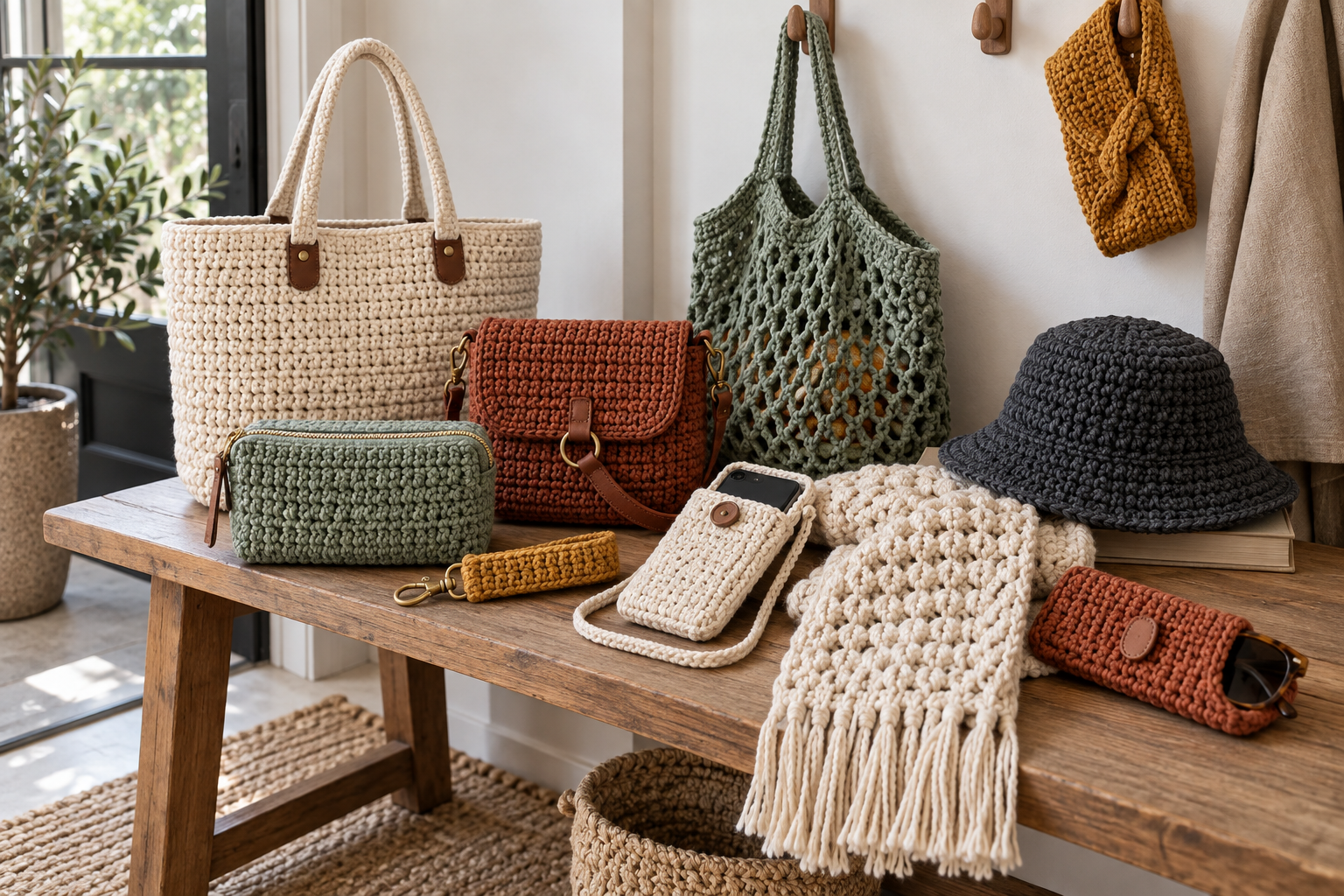
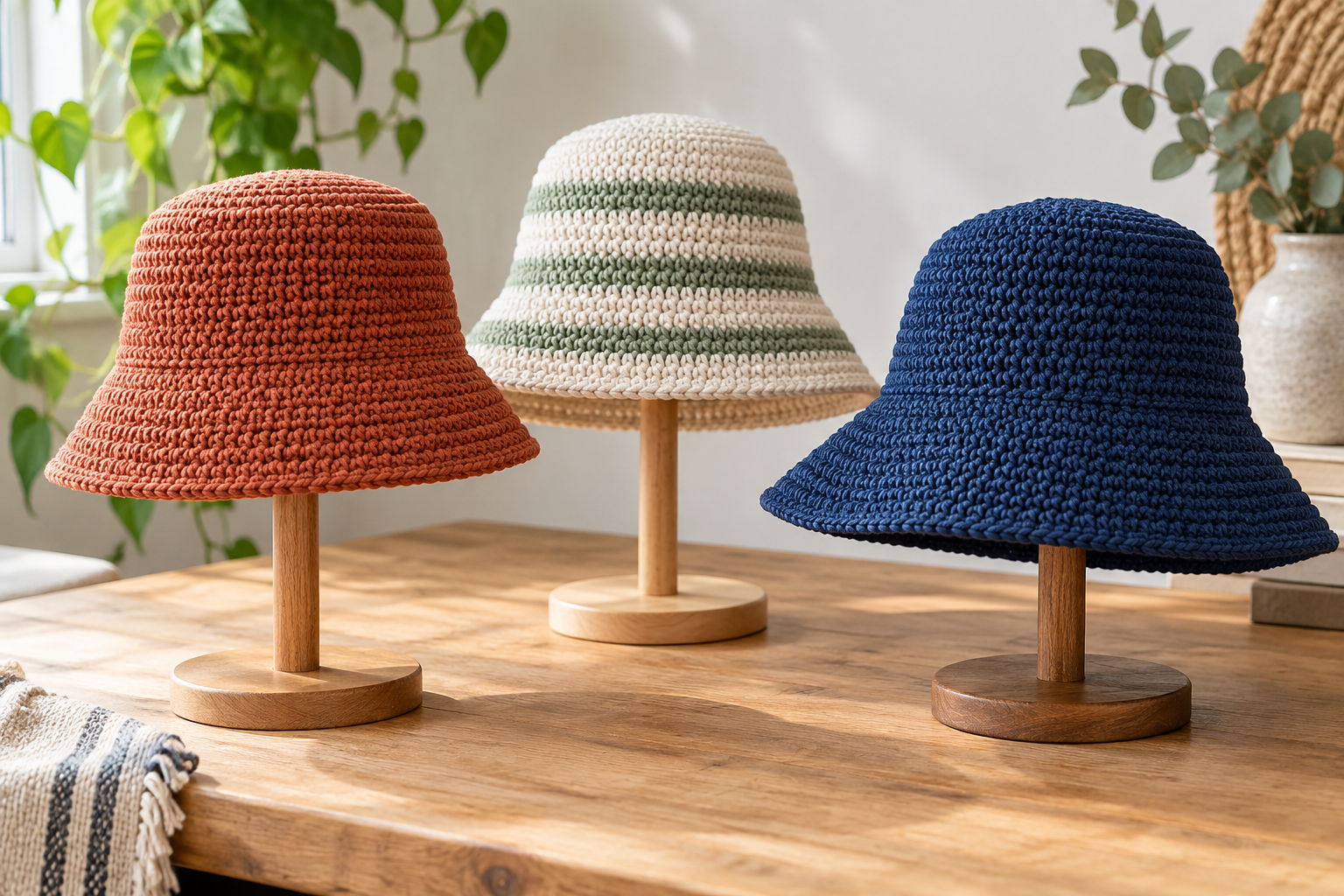
Repeat a small section of ribbing in a seasonal headband, match a stripe color to a crochet bucket hat, or use leftover accent yarn in a modern tote. Keeping one shared feature creates cohesion without making every piece identical.