Crochet Baby Cardigan Ideas for Beginners
A beginner baby cardigan should prioritize comfortable movement, washable fabric and simple secure finishing. This guide compares three construction methods and uses a well-fitting garment plus a washed swatch to plan the size.
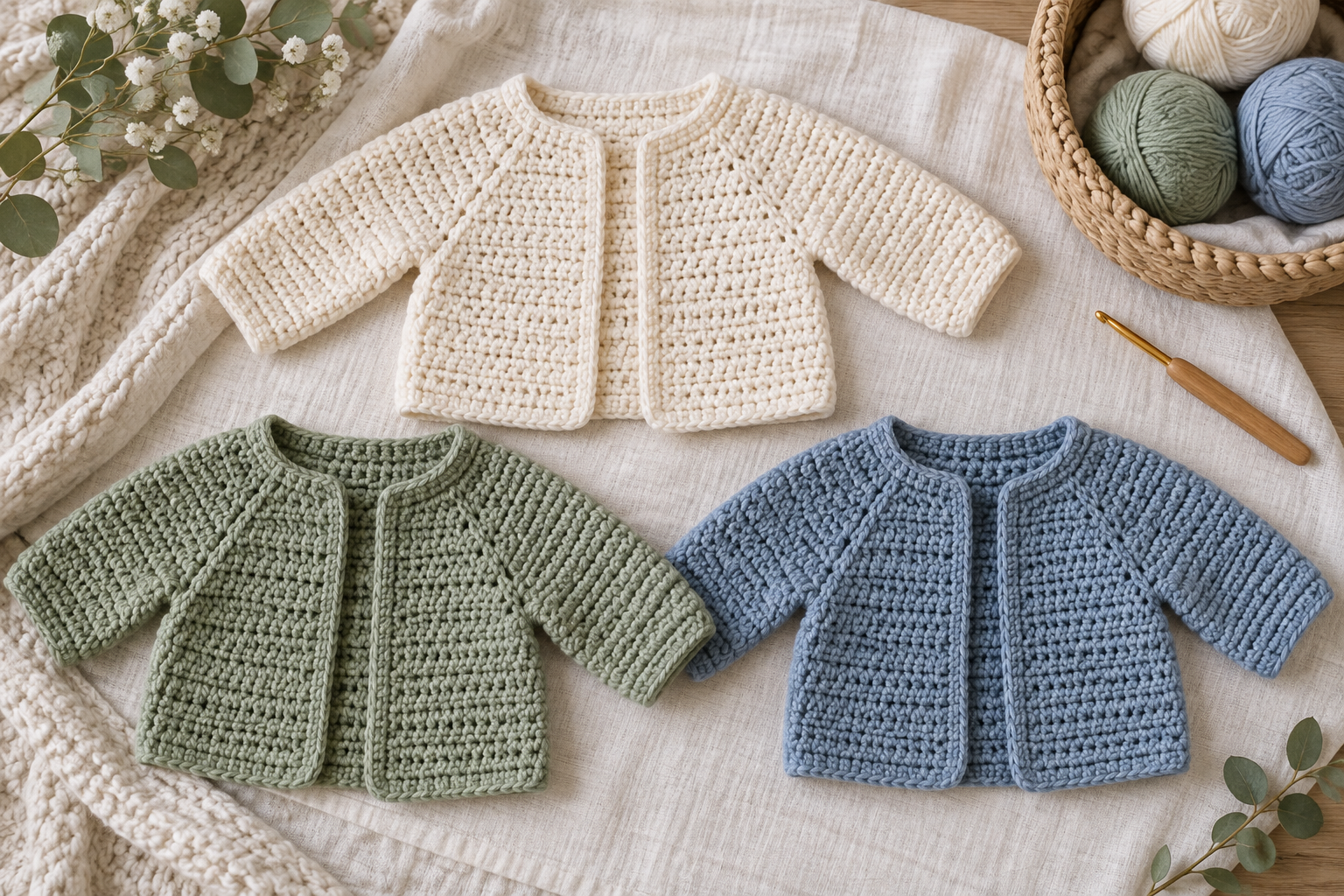
Level: confident beginner
Time: 8–16 hours
Fit priority: chest ease, armhole comfort and sleeve length
Use: caregiver-supervised daytime clothing appropriate to temperature
Measure a garment that already fits
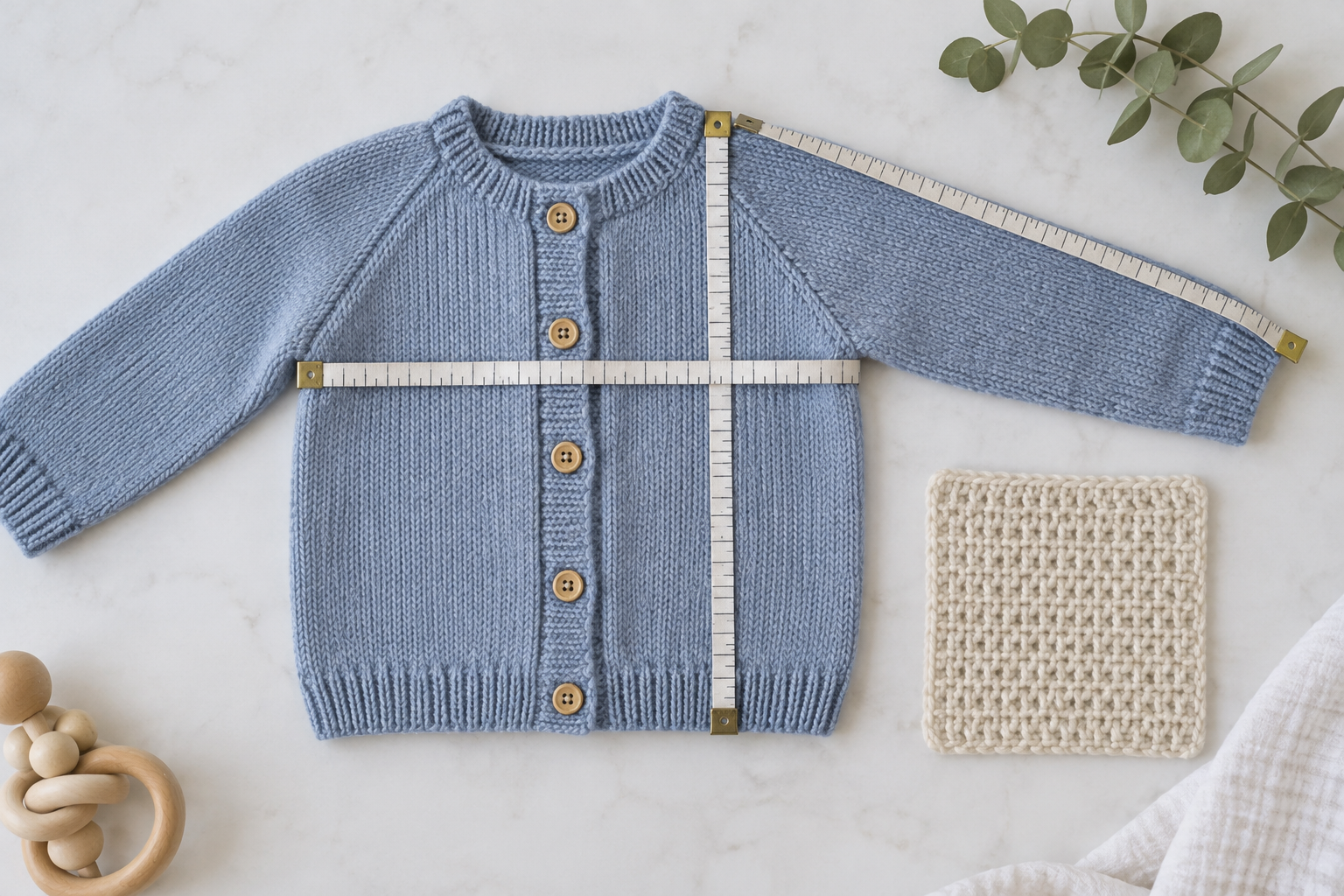
Measure chest width, shoulder-to-hem length, armhole depth and sleeve length on a garment the child currently wears comfortably. Compare those measurements with a washed crochet swatch. Add ease for movement and layers, but avoid an oversized neck or excessively long sleeves.
Select a construction that permits adjustments
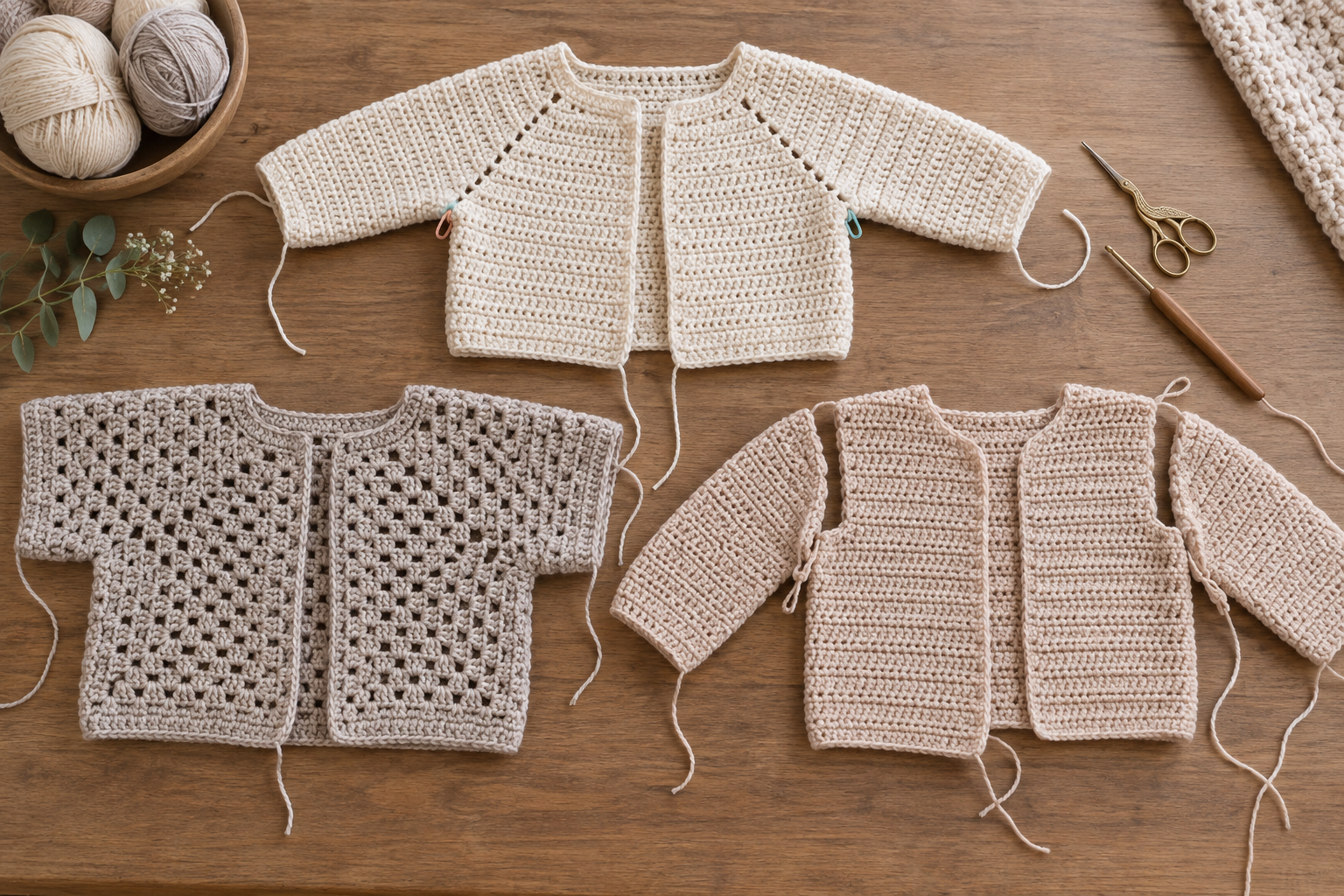
A top-down raglan lets you check chest and sleeve length before finishing. A hexagon cardigan is forgiving but can create wide sleeves. Paneled construction is easy to understand yet relies on accurate seaming. Beginners benefit from a pattern with a clear schematic and finished garment measurements.
Control yoke and armhole shaping
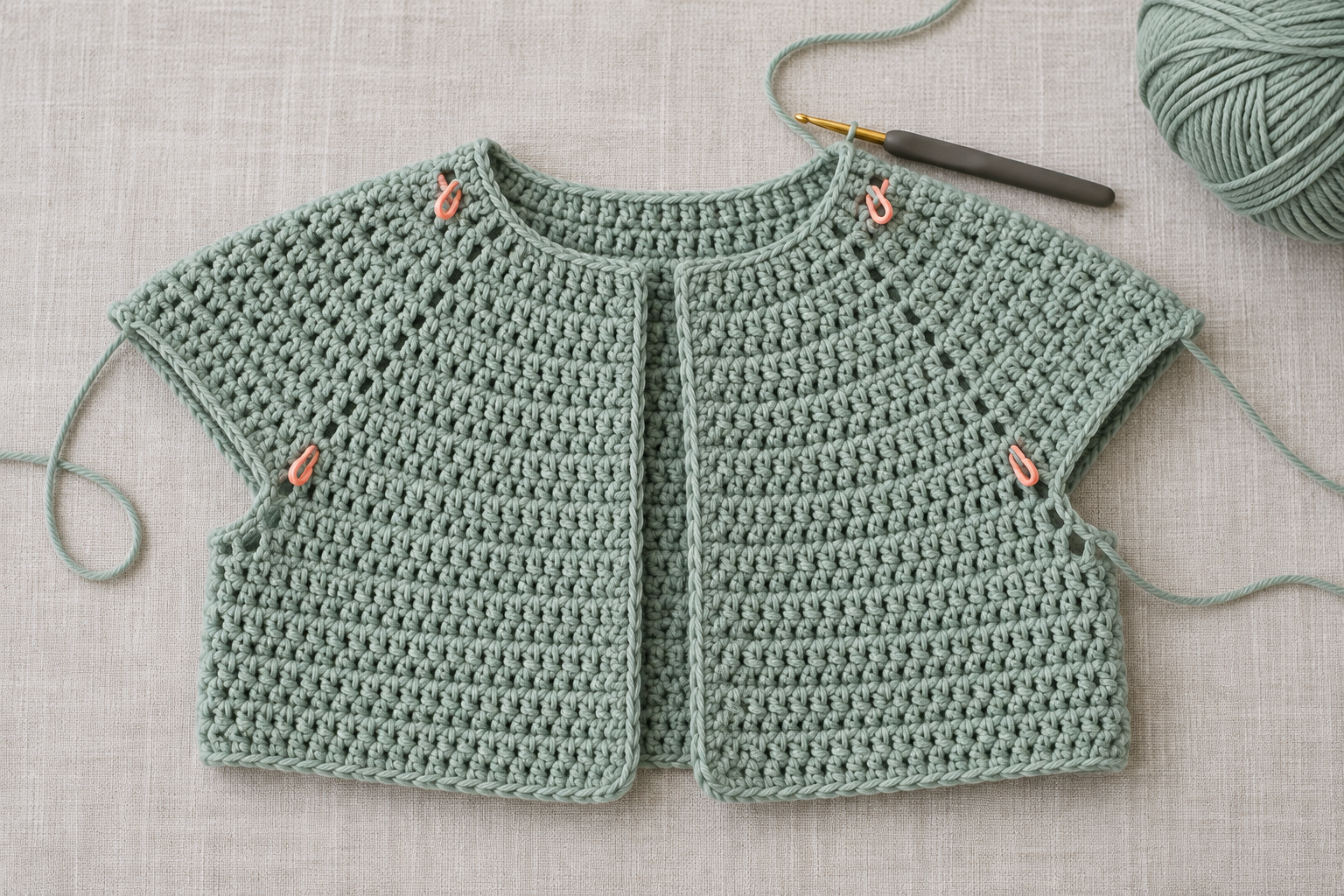
- Mark every increase line and count at the end of each row.
- Lay the yoke flat to check symmetry.
- Join the underarm chains without twisting.
- Work the body to the measured length.
- Crochet sleeves alternately so tension and row counts match.
If the armholes pull, add yoke depth or underarm stitches instead of making the entire body much wider.
Evaluate fit and closures
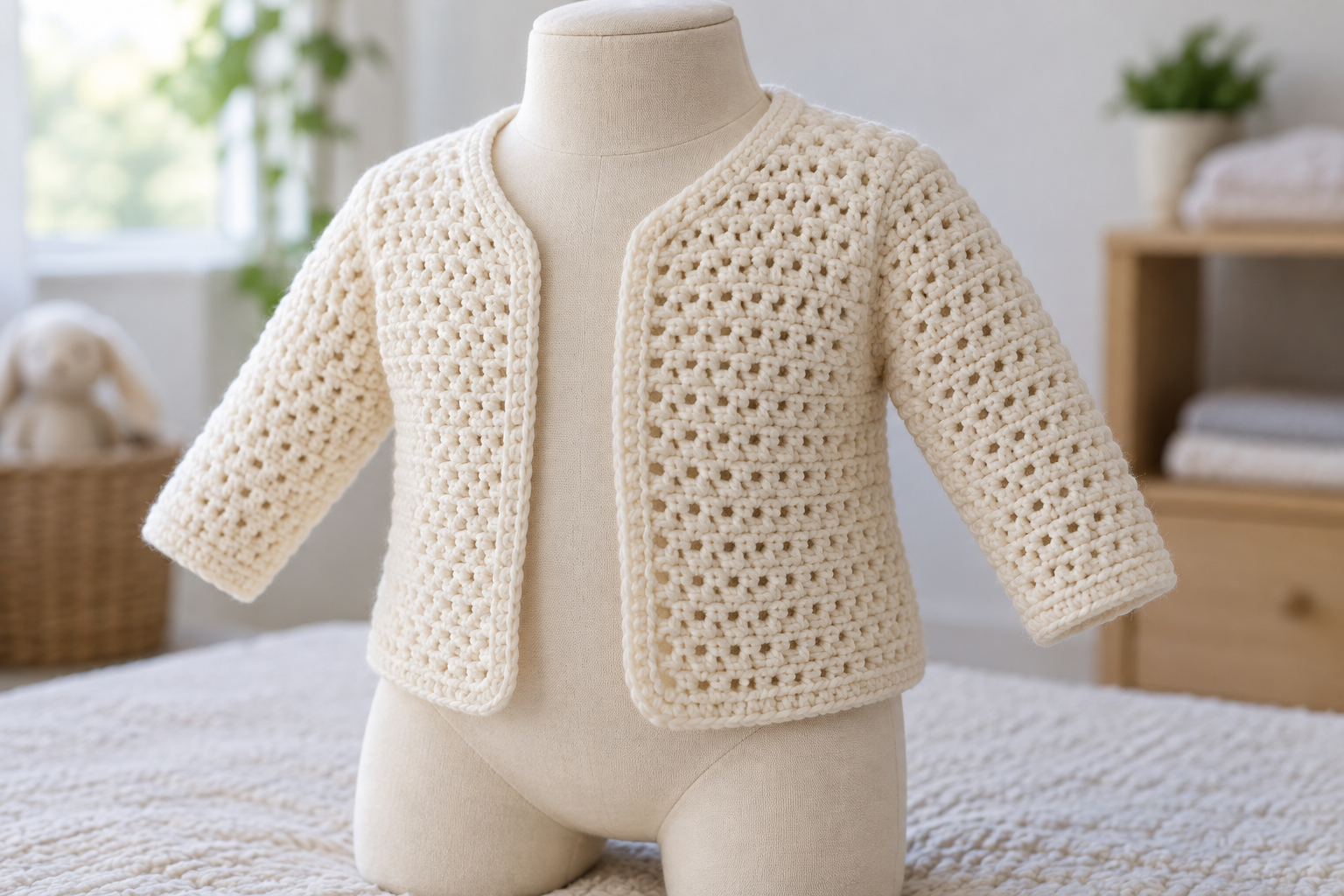
Use a padded form for preliminary checks, then let the caregiver decide whether a brief supervised fitting is appropriate. Open-front styles avoid small hardware. If a closure is essential, use the pattern’s secure method and consider the child’s age; avoid loose ties, beads and decorative components.
Keep the garment temperature-appropriate
Choose fiber and thickness for the intended climate and layering. Caregivers should monitor warmth and remove the cardigan if the child is hot. Do not use bulky garments in situations where they interfere with properly fitted safety equipment; follow the equipment manufacturer’s guidance.
Prewash, measure and gift
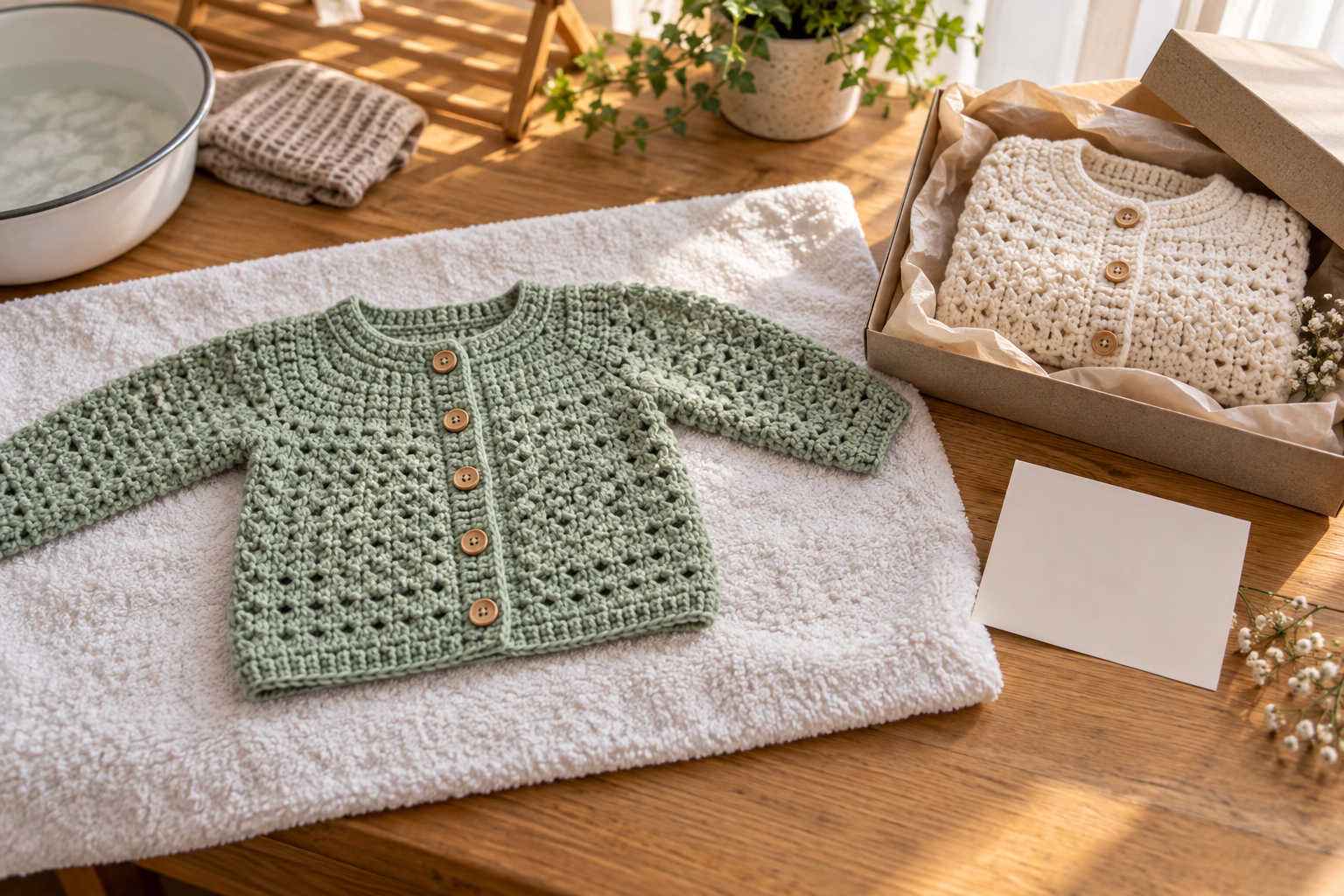
Wash according to the yarn label, reshape flat and dry completely. Record chest width, garment length and sleeve length. Include fiber content, care directions and measured size so the caregiver can assess fit.
Coordinate a practical outfit
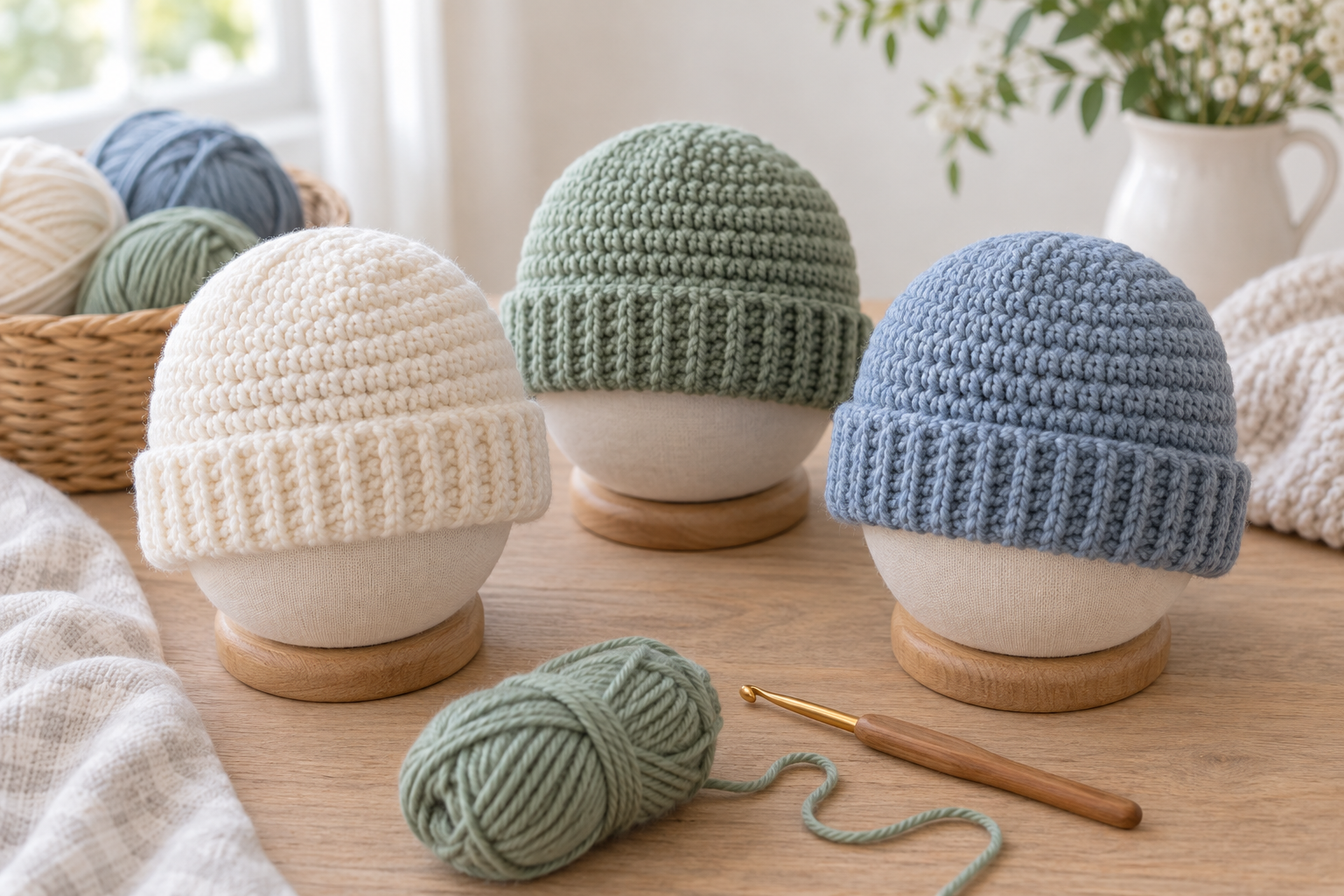
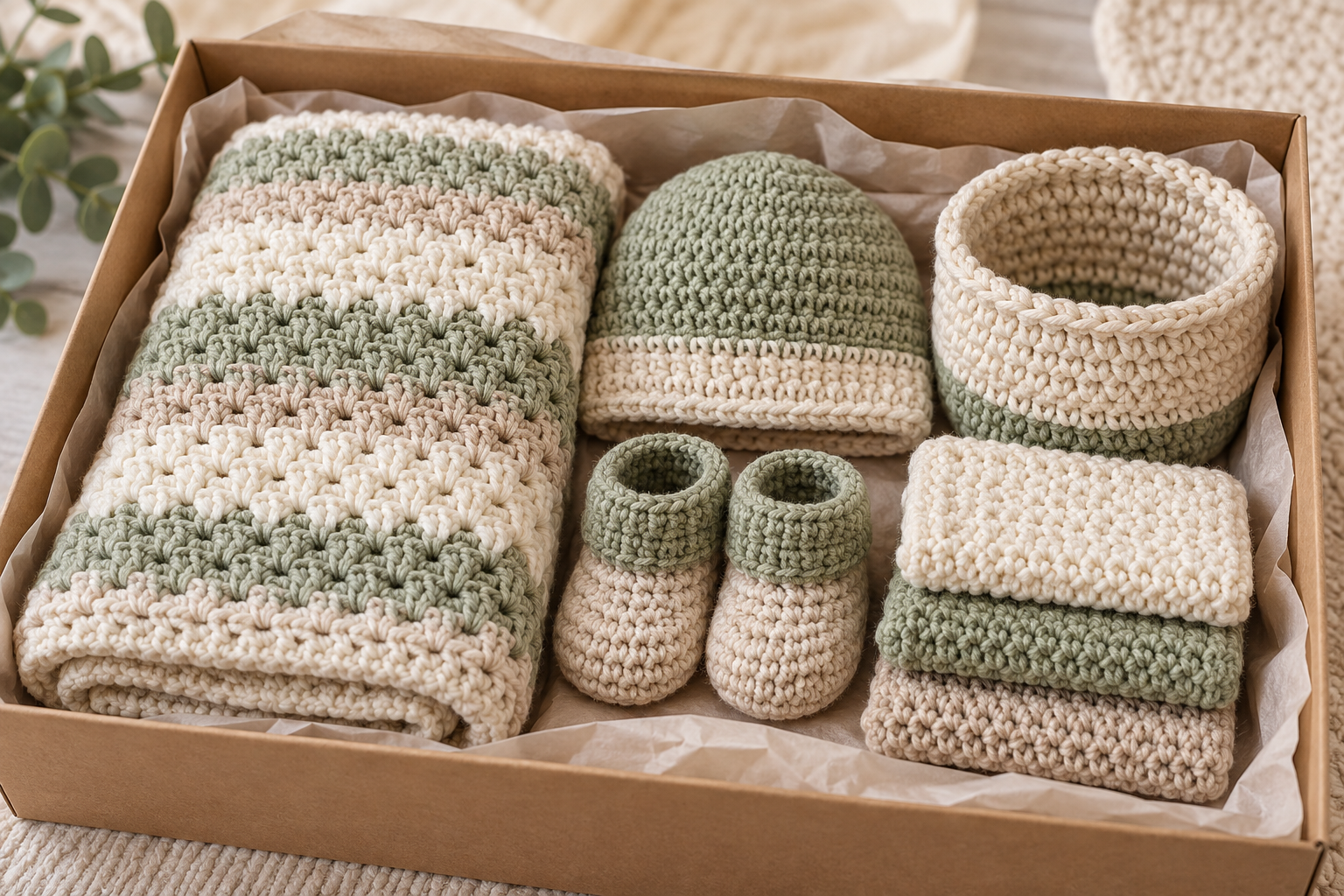
Use related yarn for a newborn hat, matching baby booties, or a complete gender-neutral gift set.