Quick Crochet Bookmark for Book Lovers
A good crochet bookmark is thin, smooth and long enough to stay visible without stressing a book’s spine. This guide compares four constructions and explains how yarn thickness, length and blocking affect everyday use.
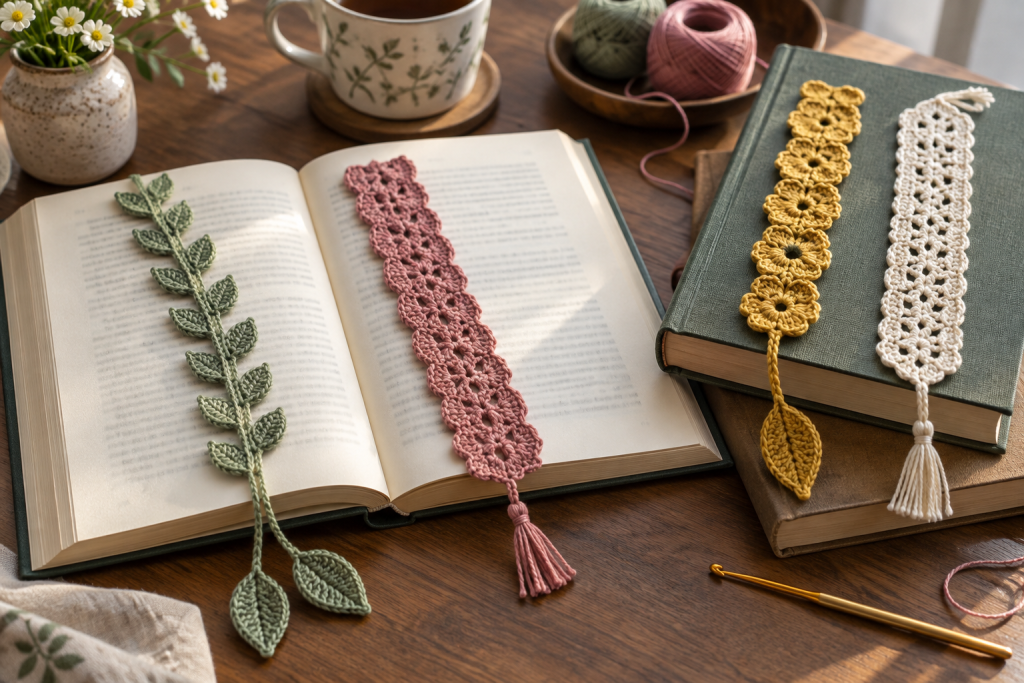
Level: beginner
Time: 30–90 minutes
Typical length: 20–28 cm
Best fiber: fine smooth cotton
Select a construction for the reader
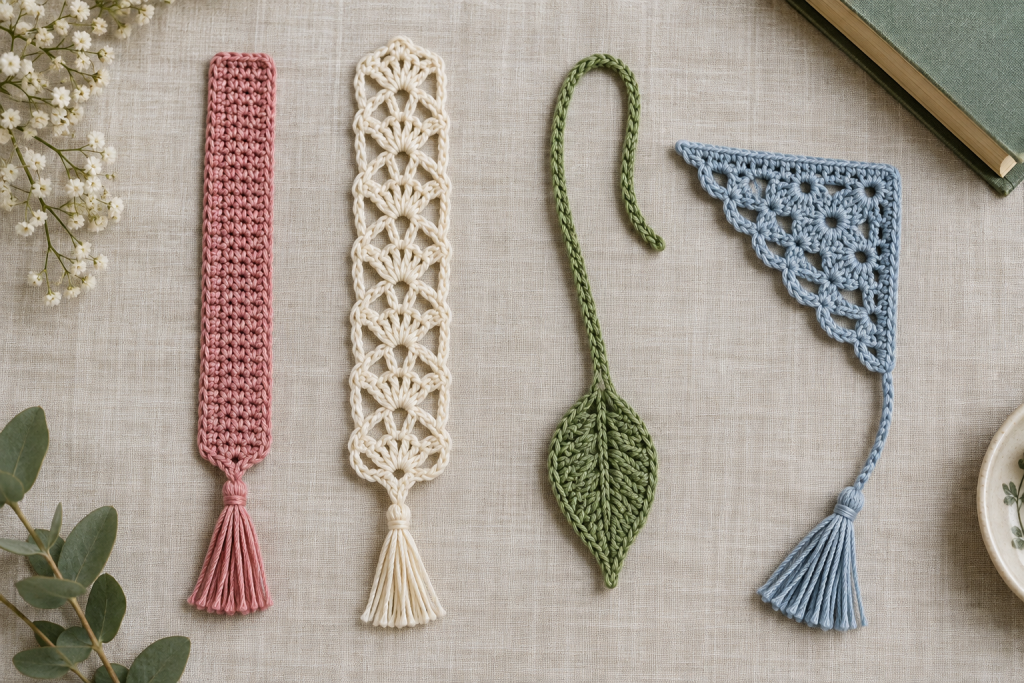
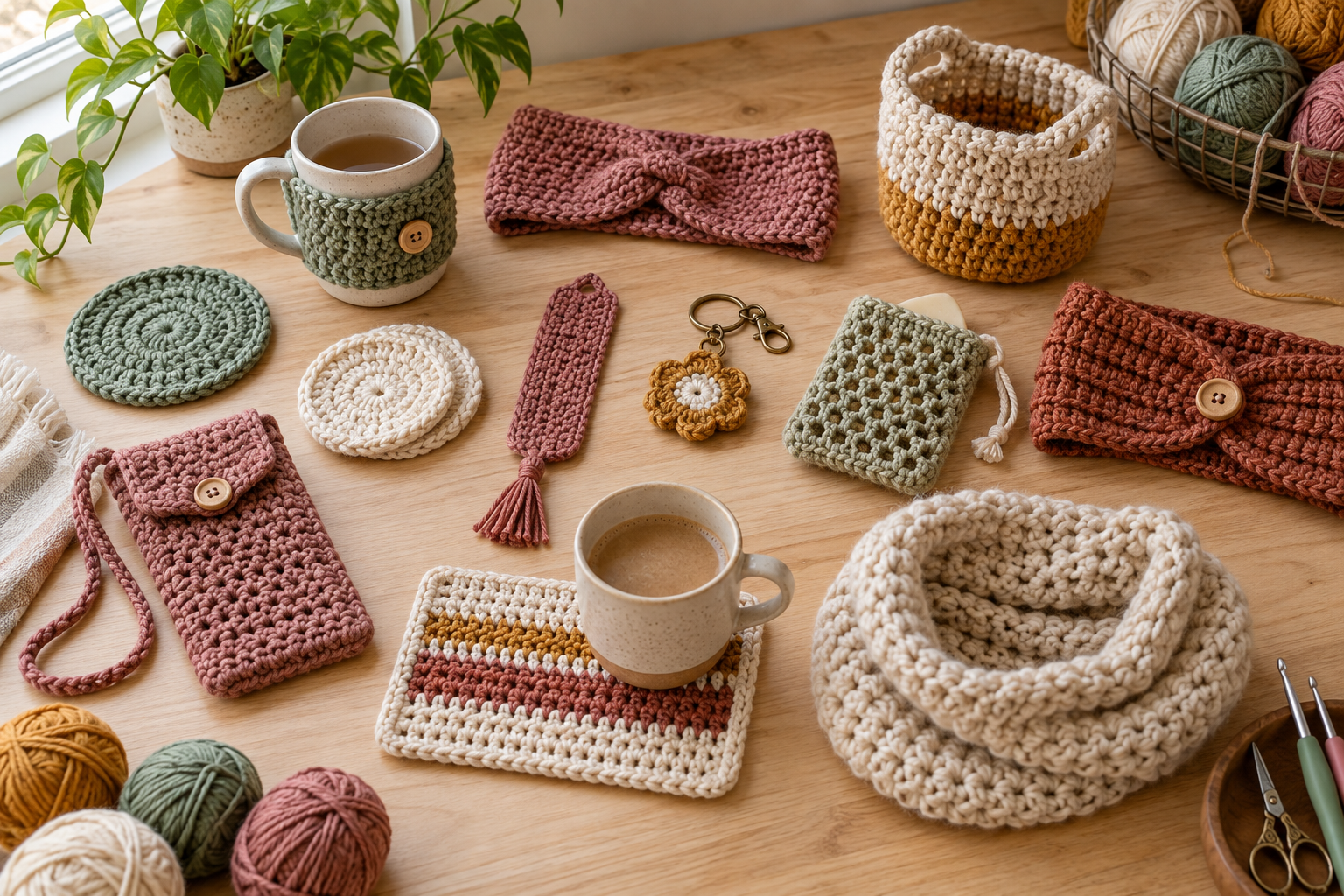
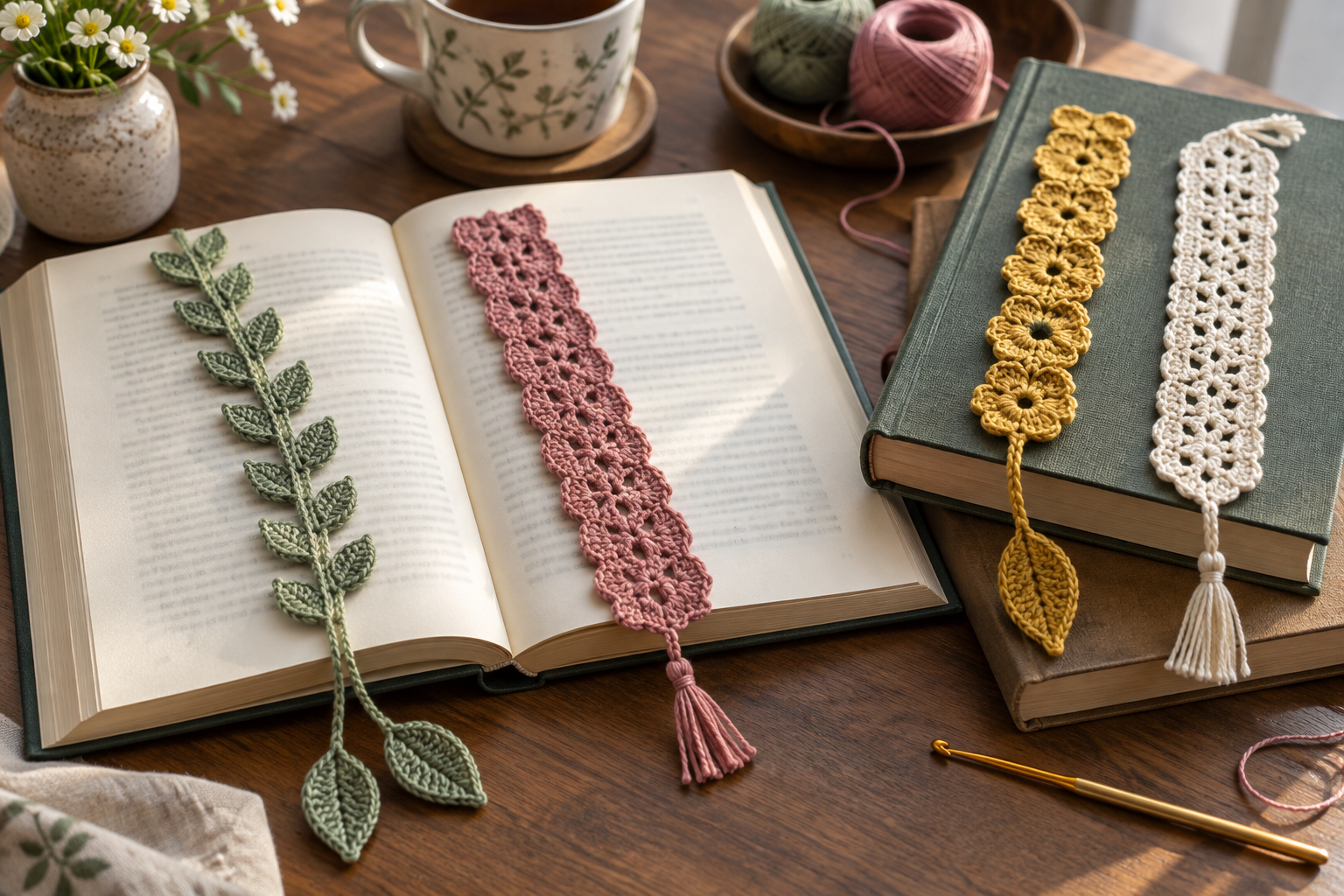
A solid strip is durable and simplest to size. Open lace uses less yarn but can catch on damaged page corners. A long chain with a flat leaf or flower leaves minimal fabric inside the book. A corner bookmark is easy to find but adds thickness to several pages. Avoid beads and hard buttons that can dent paper or the cover.
Choose yarn that stays thin and smooth
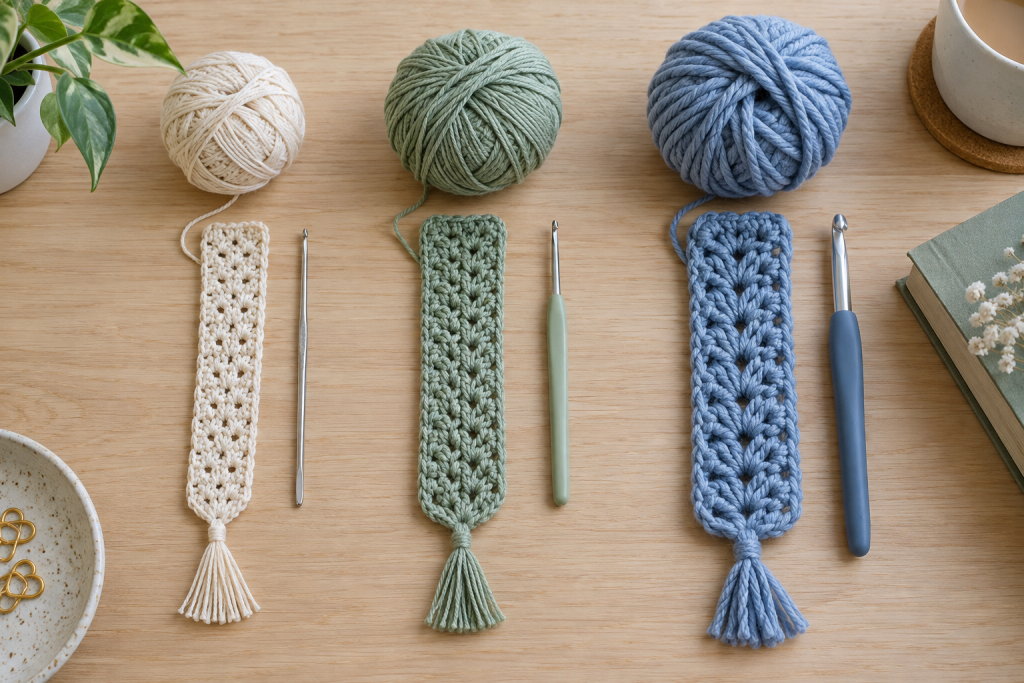
Crochet thread or fingering-weight cotton gives crisp detail and resists pilling. A lightweight bamboo blend feels smooth but may stretch, so block and measure it before gifting. Acrylic can work when it is fine and tightly spun. Rub the finished swatch across plain paper; reject yarn that sheds visible fibers or catches.
Size the bookmark to common books
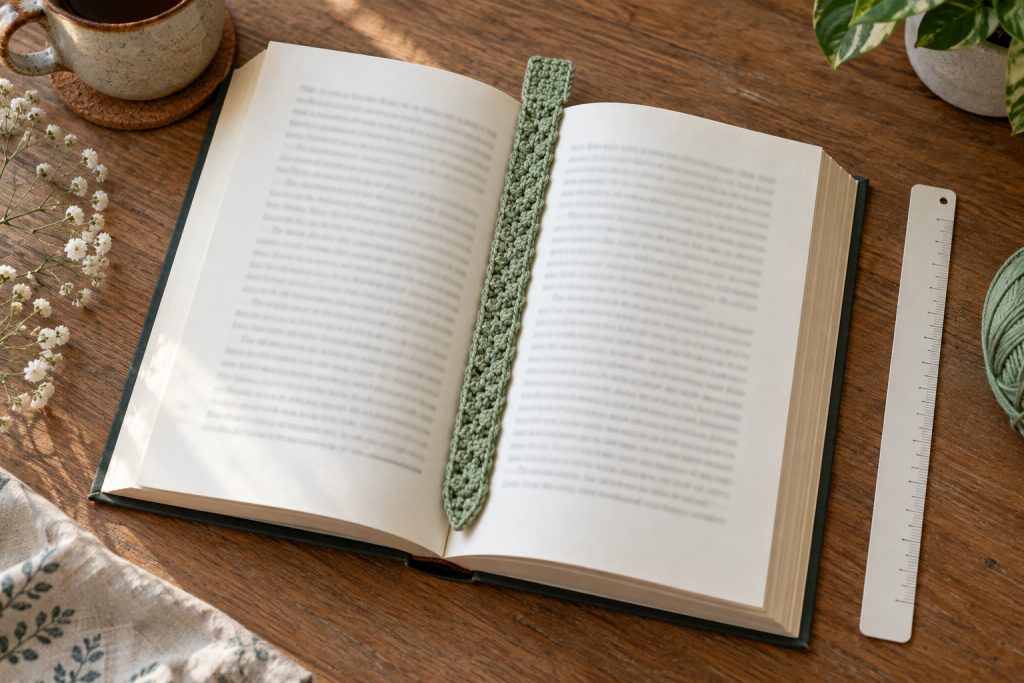
Measure the page height of the intended book. A strip should be slightly longer than the page, while a chain design may extend several centimeters above or below. Keep the crocheted width around 2–5 cm for most novels. Test the closed book: it should rest naturally without a raised ridge.
For a pattern repeat, stop at the nearest complete motif rather than forcing the exact length and cutting into the visual rhythm.
Keep edges straight while working
Mark the first and last stitch of every row, especially with fine yarn. Count pattern repeats and pause every few centimeters to place the strip on a flat surface. If it twists, check whether foundation tension is tighter than the later rows. Restarting a short bookmark usually produces a better result than aggressive stretching.
Block for a flat, book-safe finish
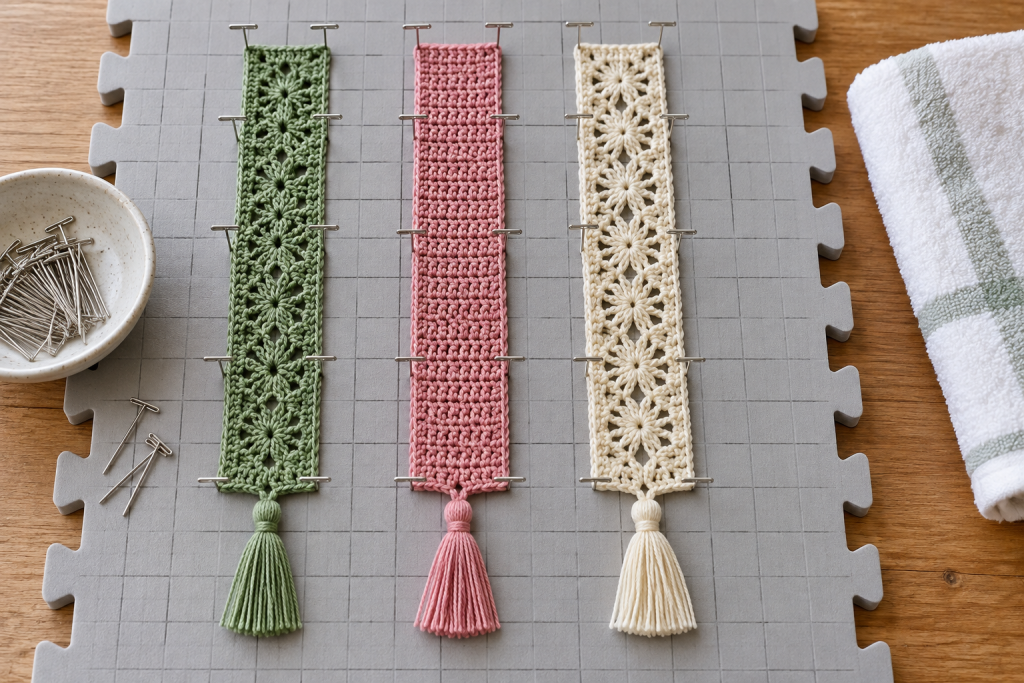
Wet or damp-block according to the fiber label. Align the long edges with a straight reference on the mat and use rustproof pins. Let the piece dry completely, remove pins and leave it unweighted for several hours. If it curls again immediately, adjust the stitch balance rather than pressing it permanently.
Turn it into a thoughtful gift
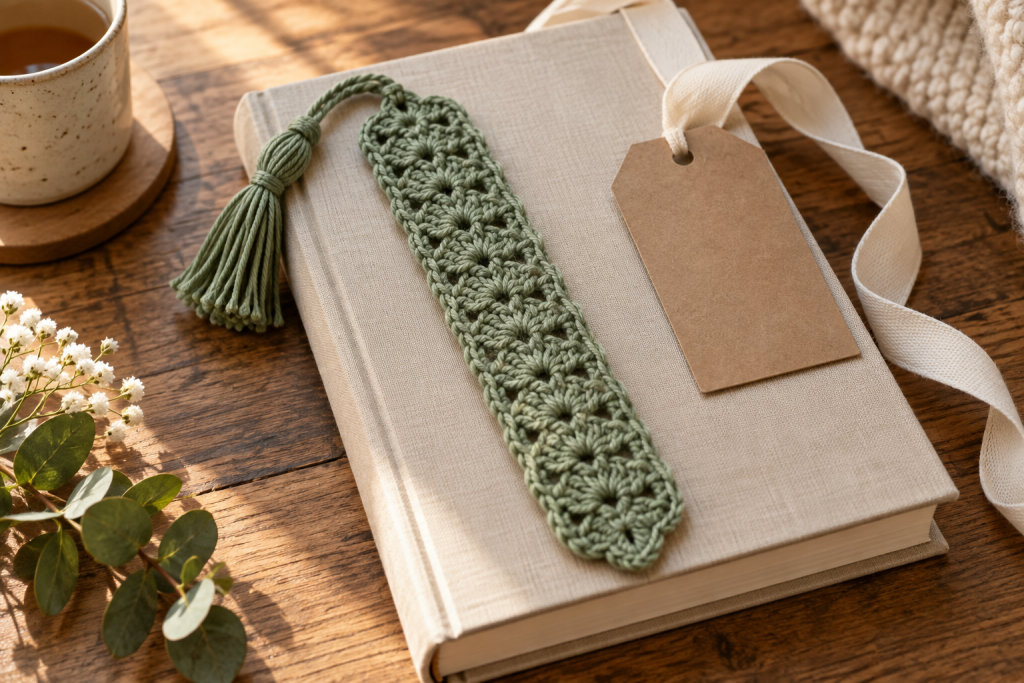
Choose a color that contrasts with the page edge, add a blank gift tag and include fiber-care information. Avoid taping the crochet directly to paper. A removable cotton ribbon around the closed book keeps the gift neat without bending the bookmark.
More fast gift ideas
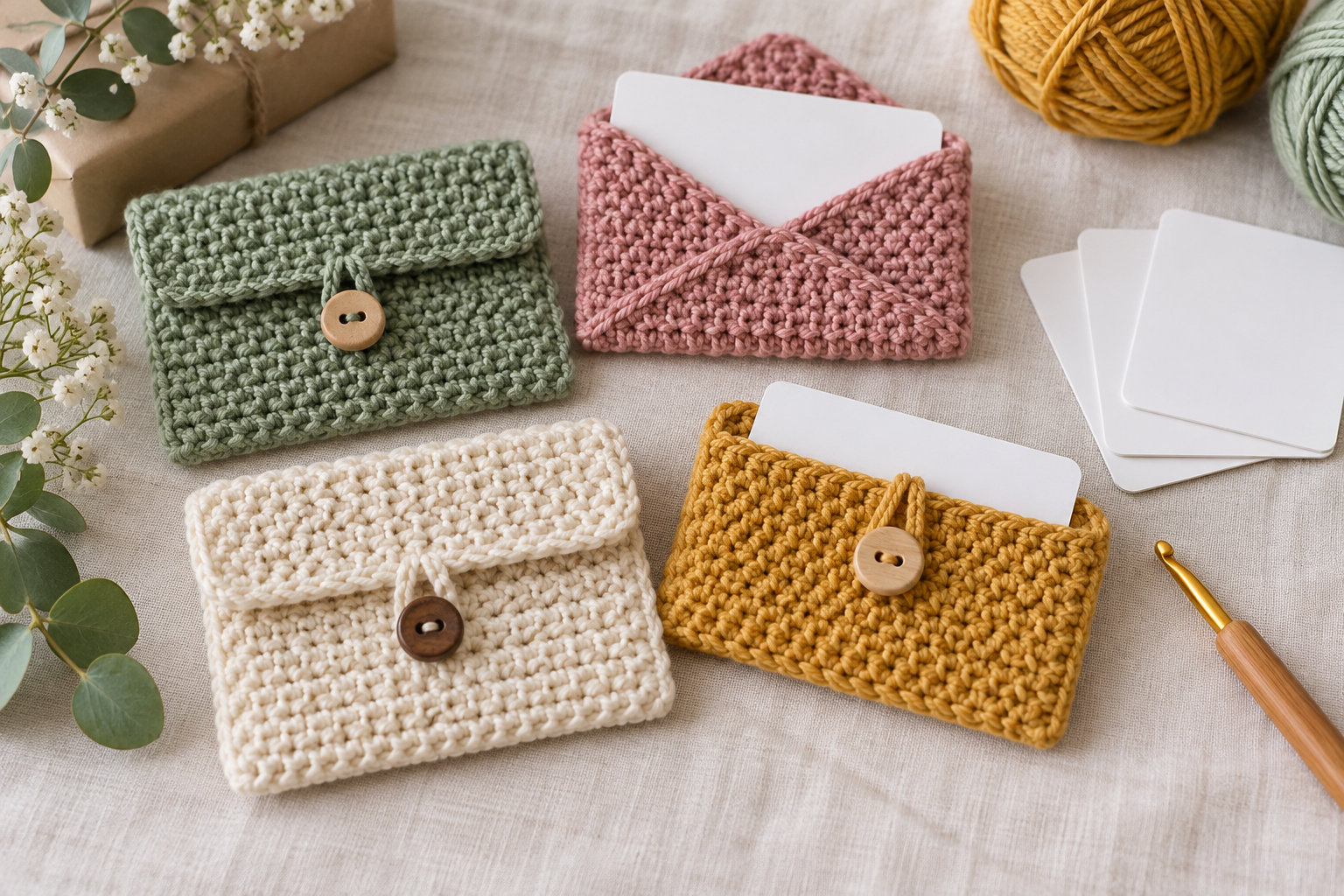
Use remaining yarn for a quick scrunchie, make an easy gift card holder, or create a practical set of one-hour coasters.